The Biology Behind
Skin and Nutrition
An educational exploration of how specific nutrients, compounds, and dietary patterns relate to skin structure, function, and appearance, based on what nutritional science currently understands.
Skin as a Nutritional Mirror
The skin is not simply a surface. It is a dynamic, living organ with multiple layers, each with distinct cellular populations, structural proteins, and metabolic requirements. The outermost layer, the epidermis, acts as a barrier. Below it, the dermis provides structural support through a matrix of collagen and elastin fibers embedded in a hydrating gel of glycosaminoglycans.
Both layers depend on a continuous supply of nutrients delivered through the bloodstream. When nutritional intake is adequate and varied, the cellular machinery that maintains skin structure operates more effectively. When certain nutrients are chronically low, the consequences can become visible over time.
This section explores the specific nutrients and mechanisms that nutritional science associates with skin wellness. It is educational context, not clinical guidance.

Nutrients and Mechanisms
Collagen Synthesis and Dietary Precursors
Collagen is a triple-helix protein assembled from amino acid chains, primarily glycine, proline, and hydroxyproline. The body manufactures collagen through a multi-step enzymatic process that requires specific cofactors to proceed correctly. Vitamin C is essential for the hydroxylation of proline and lysine residues, a step that is critical for the stability of the collagen triple helix. Without adequate vitamin C, the resulting collagen is structurally weak and prone to degradation.
Zinc and copper are also involved. Zinc supports the activity of matrix metalloproteinases, enzymes that regulate collagen remodeling. Copper is a cofactor for lysyl oxidase, which cross-links collagen fibers to give them tensile strength. Dietary sources of these minerals, including nuts, seeds, legumes, and lean meats, contribute to the nutritional environment in which collagen production occurs.
Amino acid availability matters too. Dietary protein provides the glycine, proline, and lysine that serve as raw materials. Plant and animal proteins both contribute, though the amino acid profiles differ. Bone broth, for example, is often discussed in wellness contexts because it contains collagen-derived peptides and free amino acids, though the direct relationship between consuming these peptides and skin collagen levels remains an area of active nutritional research.
Vitamin C: Antioxidant and Structural Cofactor
Ascorbic acid, commonly known as vitamin C, is a water-soluble vitamin that the human body cannot synthesize endogenously. It must be obtained entirely through diet. Its relevance to skin wellness operates through two distinct but related pathways.
As an antioxidant, vitamin C donates electrons to neutralize reactive oxygen species generated by ultraviolet radiation, pollution, and metabolic activity. This electron donation interrupts oxidative chain reactions that can damage cellular membranes, proteins, and DNA. Skin tissue is particularly exposed to oxidative stressors due to its position at the body's interface with the environment.
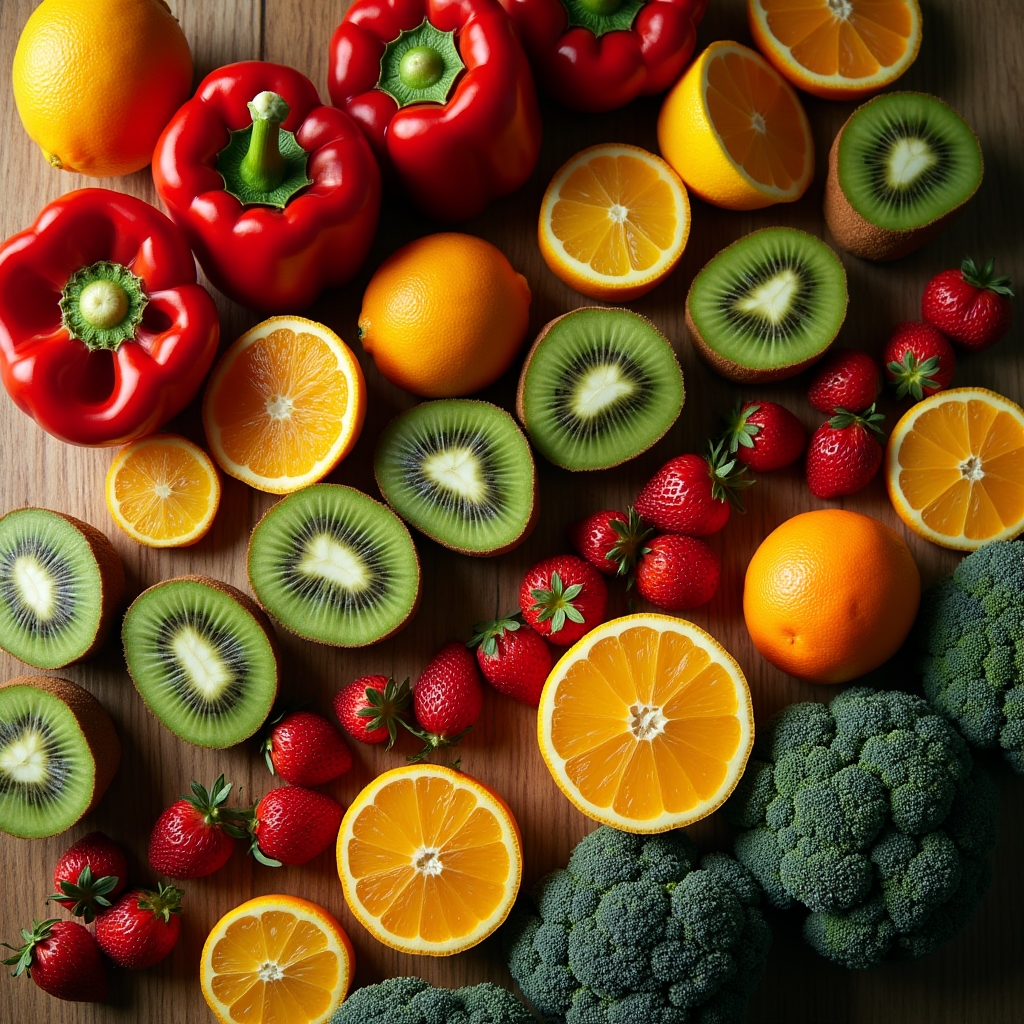
As a structural cofactor, vitamin C participates directly in collagen biosynthesis as described above. It also regenerates vitamin E after it has been oxidized, creating a cooperative antioxidant network. Rich dietary sources include guava, kiwi fruit, red bell peppers, strawberries, and citrus. Cooking can degrade vitamin C content, so raw or minimally processed sources tend to deliver more of the active compound.
Hyaluronic Acid: Endogenous Production and Dietary Context
Hyaluronic acid (HA) is a naturally occurring polysaccharide belonging to the glycosaminoglycan family. It is synthesized by fibroblasts and keratinocytes in the skin and is concentrated in the extracellular matrix of the dermis. One of its defining biochemical properties is its capacity to bind and retain water molecules, up to many times its own weight, which contributes to the hydrated, volumized appearance of healthy skin.
HA production is influenced by multiple factors. Age is associated with declining HA synthesis in skin tissue, which is one reason hydration-related changes in skin appearance are commonly observed over time. Certain dietary components, including glucuronic acid precursors found in root vegetables and N-acetylglucosamine found in shellfish and fermented foods, are studied in relation to HA biosynthesis pathways.
Magnesium is a cofactor for HA synthase enzymes. Adequate dietary magnesium, found in leafy greens, whole grains, and legumes, is therefore relevant to the nutritional context of HA production. This is an area where research continues to develop, and educational content should reflect the current state of evidence rather than overstating established findings.
Antioxidants: Classes, Sources, and Mechanisms
The term "antioxidant" describes a broad category of compounds unified by their ability to inhibit oxidation reactions. In the context of skin biology, oxidative stress, an imbalance between free radical production and the body's capacity to neutralize them, is associated with changes in skin structure and appearance over time.
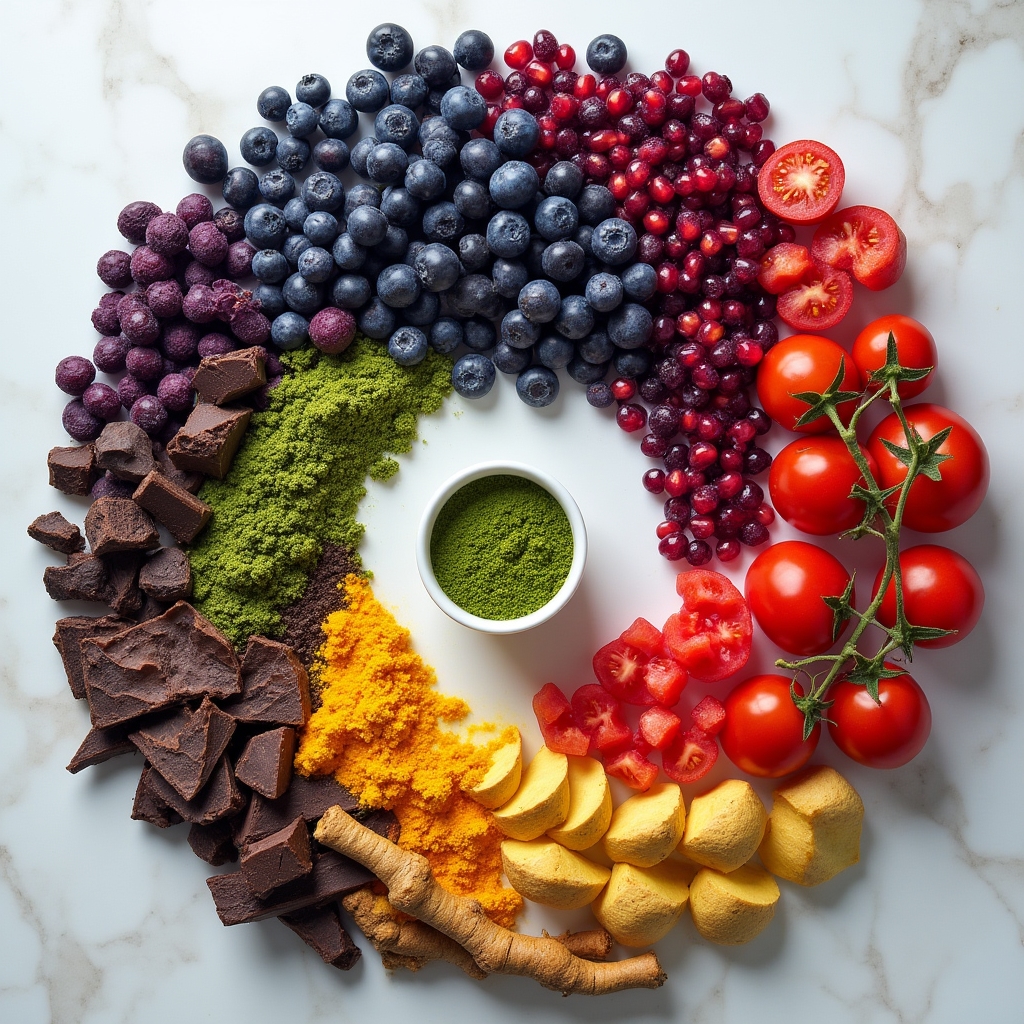
Carotenoids, including beta-carotene, lycopene, and lutein, are fat-soluble plant pigments that accumulate in skin tissue and provide photoprotective properties in laboratory studies. They are found in orange, red, and yellow vegetables and fruits. Beta-carotene from carrots and sweet potatoes, lycopene from tomatoes (especially cooked), and lutein from kale and spinach each represent distinct carotenoid compounds with different absorption and distribution patterns.
Polyphenols represent another major antioxidant class. Flavonoids in berries, catechins in green tea, resveratrol in grape skins, and curcumin in turmeric are among the most studied polyphenols in relation to skin biology. These compounds interact with multiple cellular signaling pathways, and their effects extend beyond simple antioxidant activity to include modulation of inflammatory mediators.
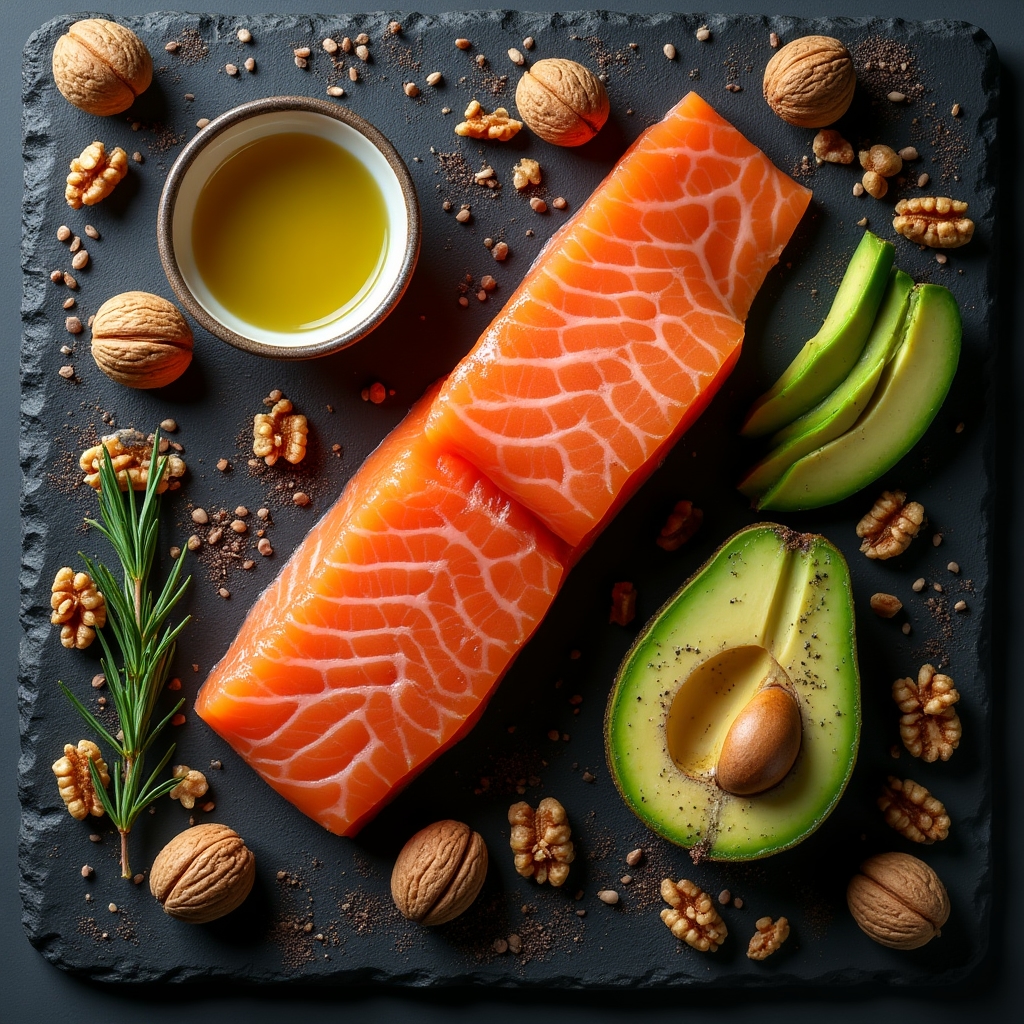
Vitamin E, specifically the tocopherol family, is a fat-soluble antioxidant that protects cell membranes from lipid peroxidation. Nuts, seeds, and plant oils are primary dietary sources. Vitamin E works synergistically with vitamin C and glutathione in the body's antioxidant network.
Hydration: Internal and Dietary Dimensions
Skin hydration is a function of both internal water status and the skin's barrier integrity. The stratum corneum, the outermost layer of the epidermis, maintains a specific water content through natural moisturizing factors (NMFs), lipid lamellae, and tight junction proteins. When these structures are intact and the body is adequately hydrated, the stratum corneum retains moisture effectively.
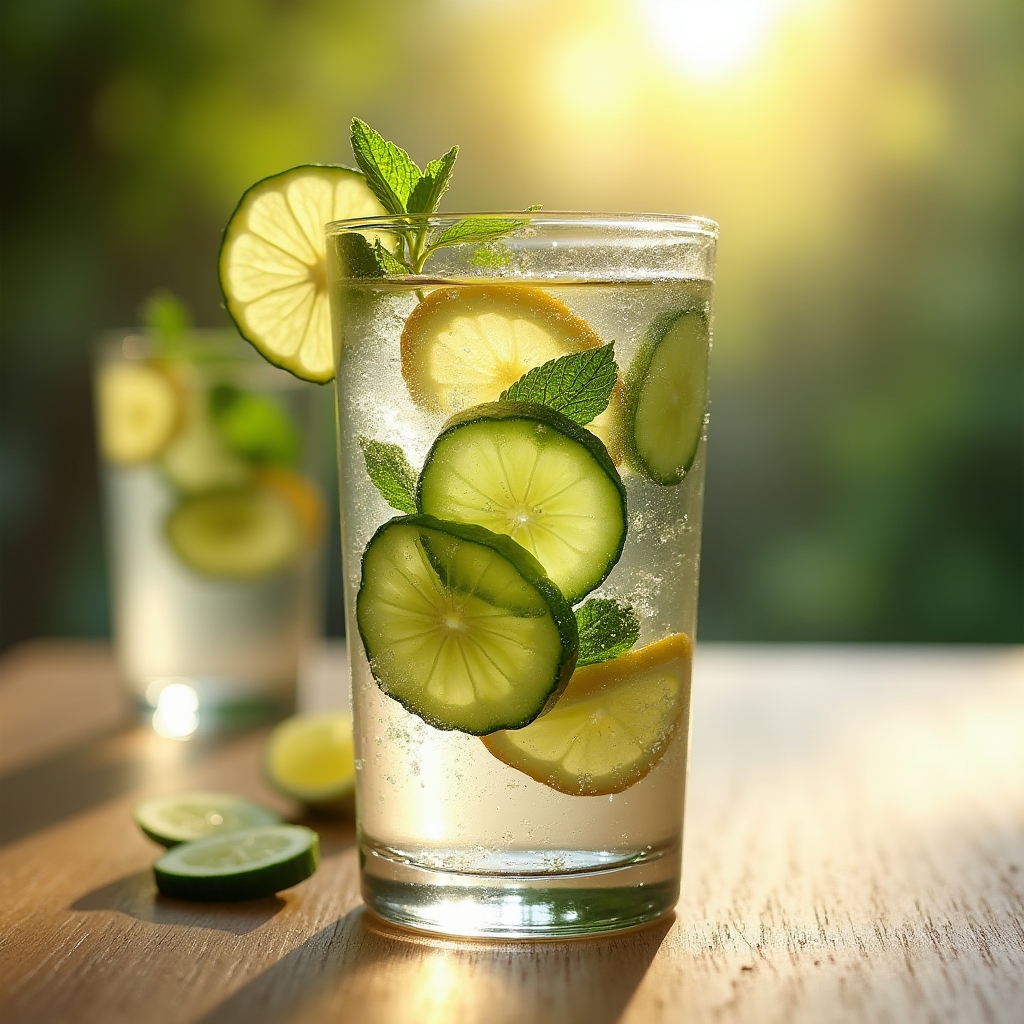
Total daily fluid intake from water, herbal teas, and water-rich foods like cucumbers, watermelon, and celery contributes to overall hydration status. Electrolytes, particularly sodium and potassium, regulate fluid distribution across cellular membranes. Adequate potassium from fruits and vegetables supports this balance.
Alcohol and high caffeine intake are associated with increased urine output and can contribute to relative dehydration when not compensated with adequate fluid intake. These relationships are well-established in physiology and are relevant to educational discussions of skin hydration.
Nutrients in Context
Explore the Mind-Body Connection
Skin wellness does not exist in isolation from mental and cognitive health. Discover how stress, sleep, and mental wellbeing intersect with skin appearance in our Cognitive Wellness section.