Your Skin Reflects
What You Nourish
Discover how daily nutrition, hydration, and lifestyle choices shape the way your skin looks and feels. Educational insights grounded in science, designed for curious minds.
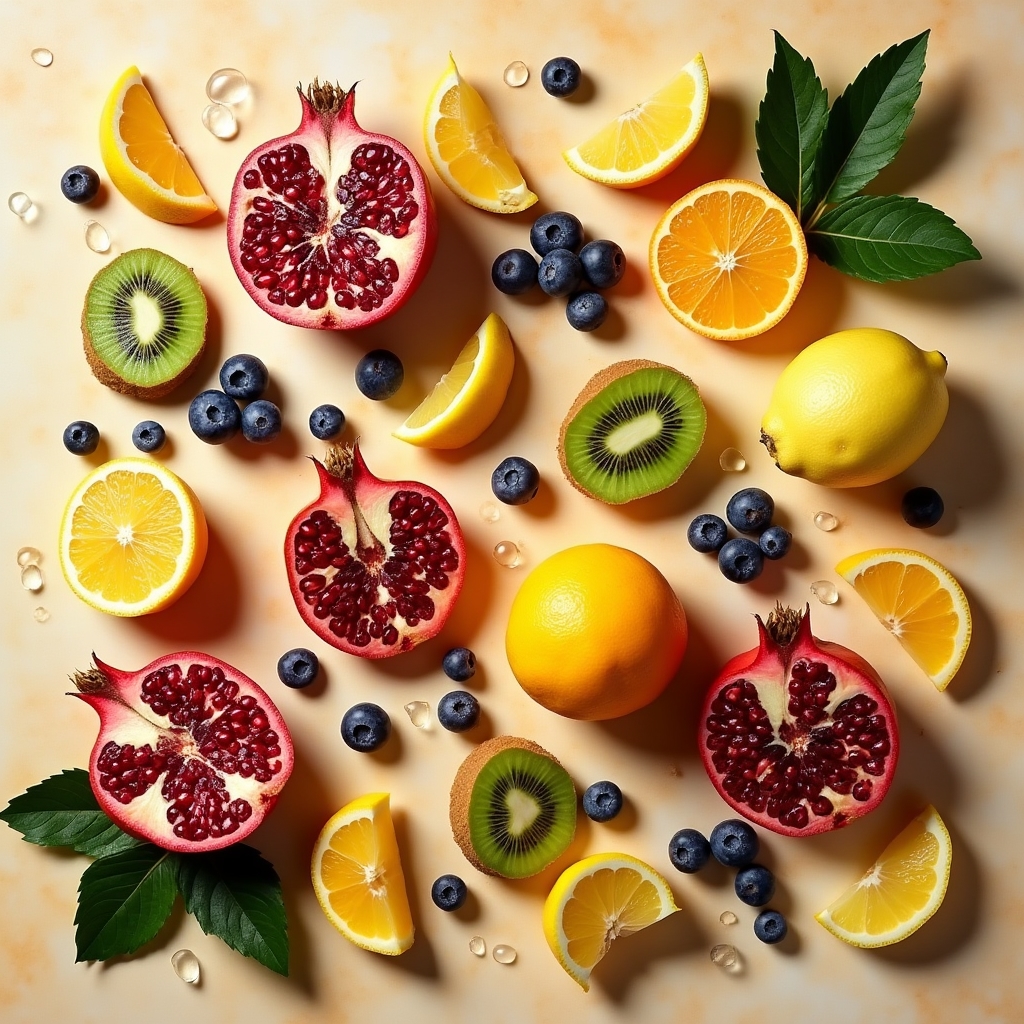
Education at the Intersection of Nutrition and Skin Wellness
STRONGLIFE exists to make the connection between what you eat, drink, and do every day and how your skin responds to those choices genuinely understandable.
Skin is the body's largest organ. It responds to internal conditions in visible ways. Rather than focusing on topical products or clinical treatments, we explore the nutritional and lifestyle foundations that support skin from within. Think of us as a library, not a clinic.
Our content covers key topics including the role of collagen-supporting nutrients, the importance of antioxidants, how hydration status influences skin appearance, and which everyday habits are associated with general skin wellness.
Learn Our Philosophy
Purely educational. No diagnoses, no prescriptions, no treatment claims.
Collagen and the Nutrients That Support It
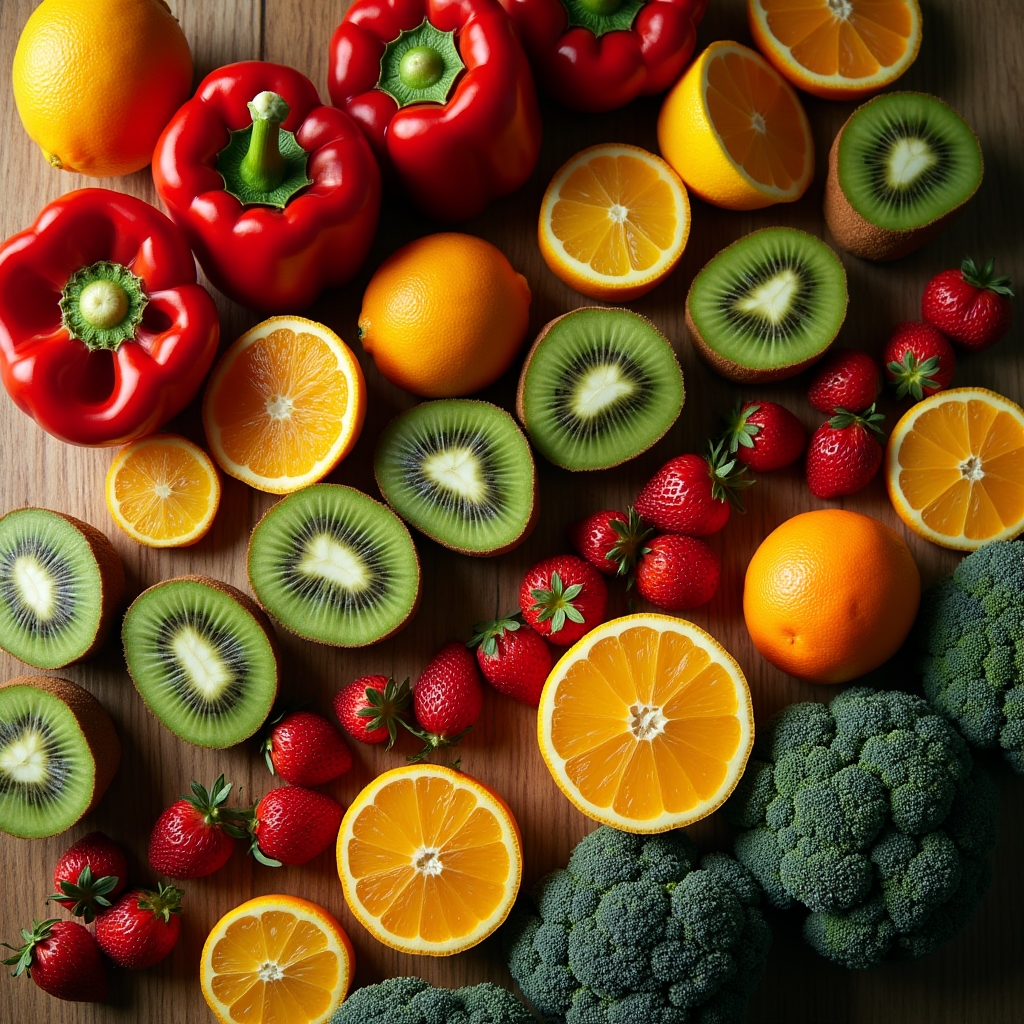
Collagen is a structural protein found throughout the body, including in skin. The body synthesizes collagen using amino acids from dietary protein alongside cofactors like vitamin C, zinc, and copper. Understanding which foods provide these building blocks helps inform nutritional choices that may support the body's natural collagen production processes.
Vitamin C as an Antioxidant and Cofactor
Vitamin C plays two distinct roles relevant to skin wellness. First, it acts as a direct antioxidant, helping to neutralize free radicals that result from environmental exposure. Second, it functions as an essential cofactor in the enzymatic reactions that stabilize collagen structure. Dietary sources include citrus fruits, kiwi, bell peppers, and broccoli.
Hyaluronic Acid and Dietary Hydration
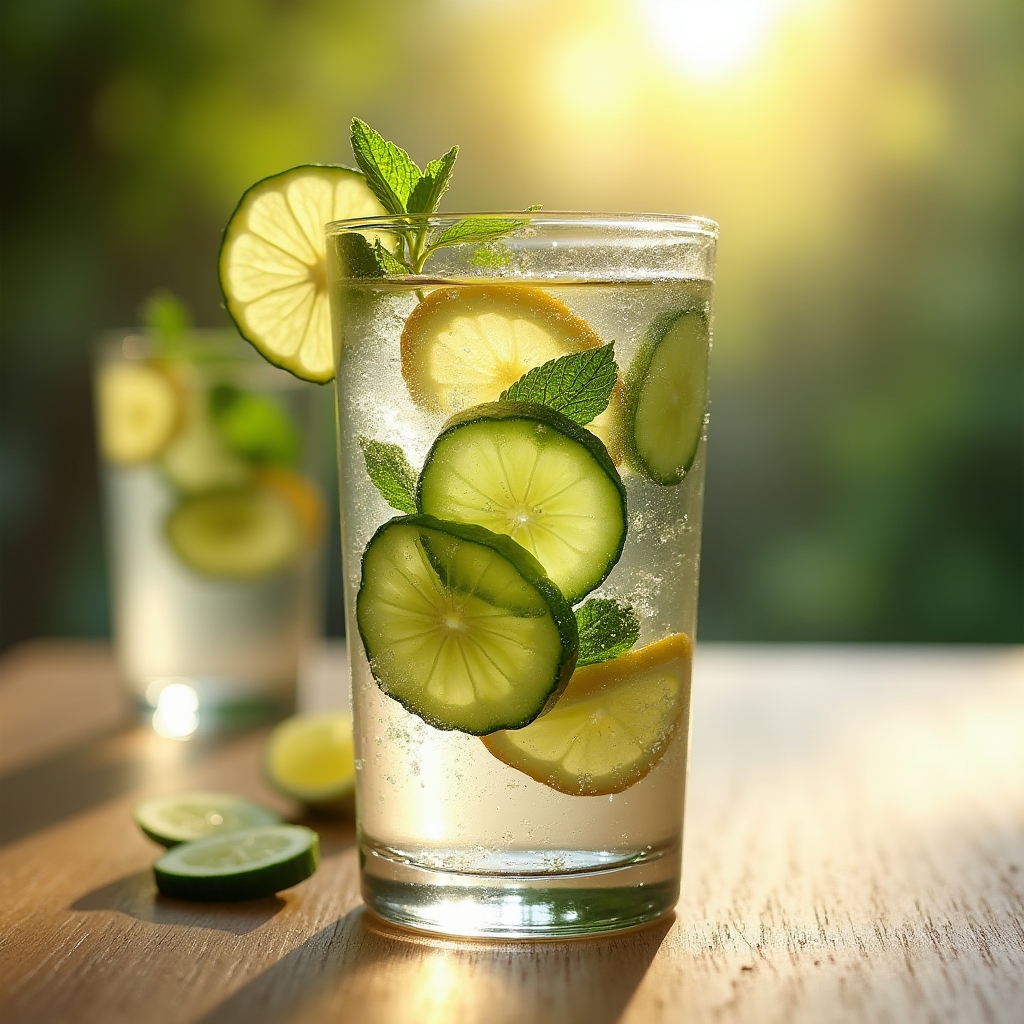
Hyaluronic acid is a glycosaminoglycan naturally present in skin tissue, where it plays a role in retaining moisture. The body produces it endogenously, and certain dietary factors, including adequate hydration and consumption of foods containing glucuronic acid and N-acetylglucosamine precursors, are studied in relation to supporting natural hyaluronic acid levels.
Antioxidants Across the Color Spectrum
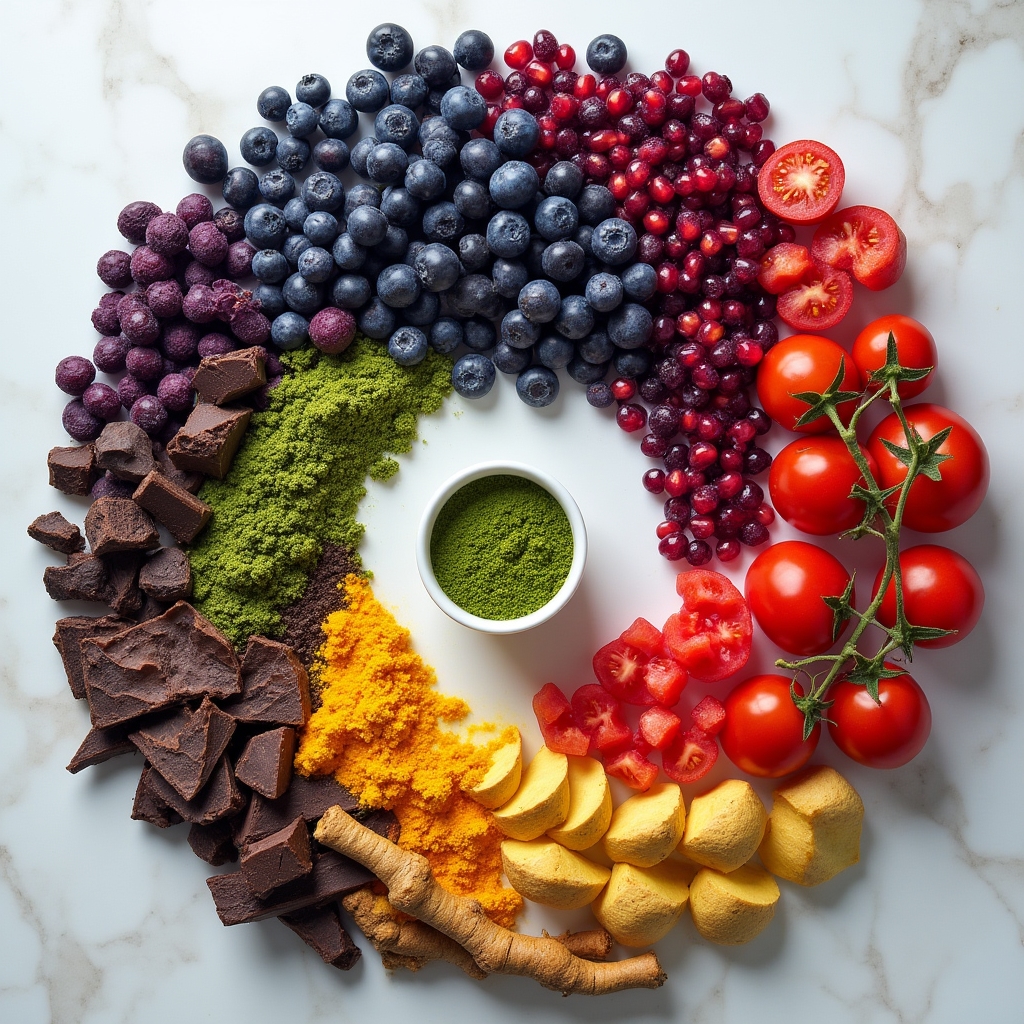
Polyphenols, carotenoids, and flavonoids are plant-derived antioxidants that research associates with protective effects against oxidative stress. A diet rich in colorful vegetables and fruits introduces a broad range of these compounds. Lycopene in tomatoes, beta-carotene in carrots, and anthocyanins in berries each represent distinct antioxidant pathways relevant to skin biology.
What We Explore
Our platform covers a range of interconnected subjects that help explain the relationship between internal health and external skin appearance.
Hydration and Skin
Water intake, electrolyte balance, and skin turgor. How cellular hydration influences the plumpness and elasticity commonly associated with well-hydrated skin.
Micronutrients for Skin
Zinc, selenium, vitamin E, vitamin A, and biotin each play distinct roles in skin cell turnover, barrier function, and sebum regulation according to nutritional science.
Sleep and Skin Recovery
During sleep, the body enters repair cycles that affect multiple tissues including skin. Understanding the relationship between sleep quality and skin appearance is part of holistic wellness education.
Gut-Skin Connection
Emerging nutritional research explores how gut microbiome diversity, probiotic intake, and fiber consumption may relate to inflammatory pathways that manifest in skin appearance.
Lifestyle Factors
Stress management, physical activity, and sun-awareness habits are all associated with skin health outcomes in general wellness literature and public health education.
Omega Fatty Acids
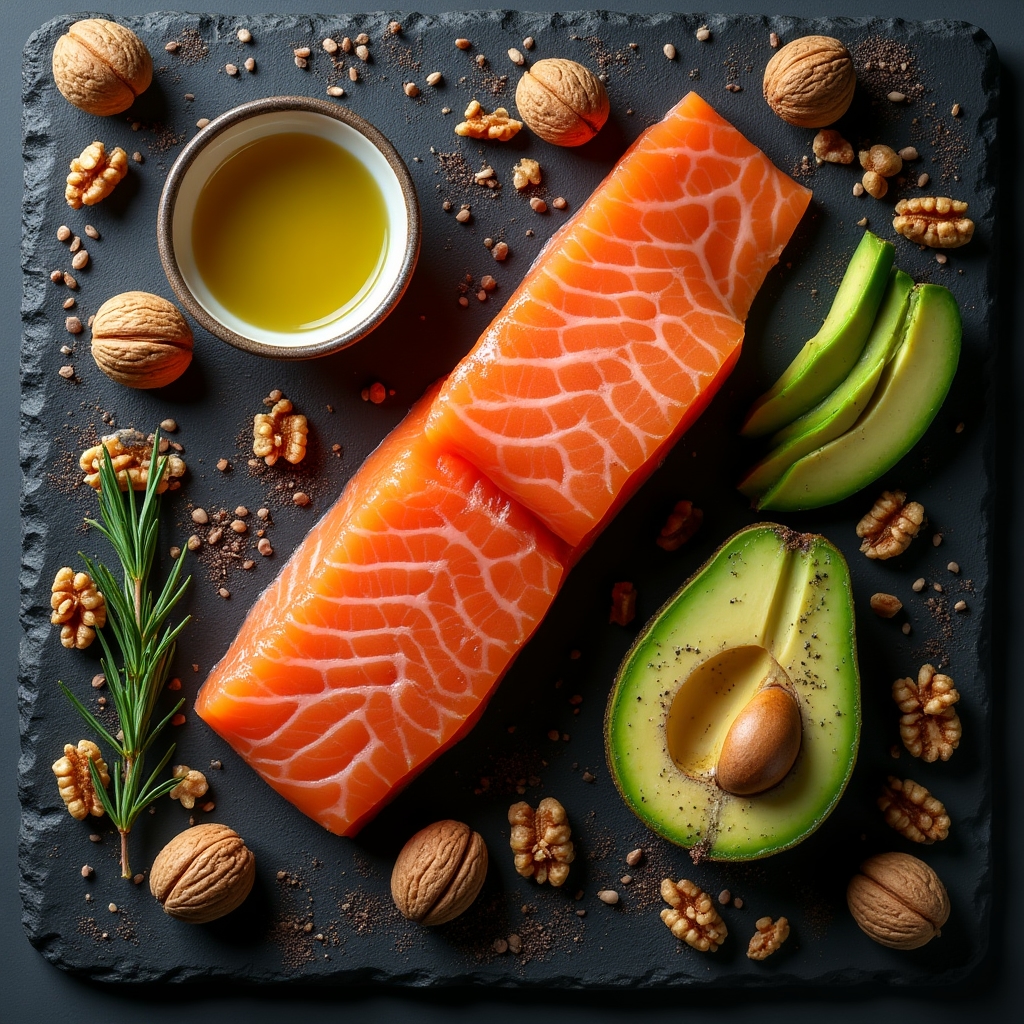
Omega-3 and omega-6 fatty acids contribute to the lipid barrier of skin. Dietary sources like fatty fish, walnuts, and flaxseed are commonly discussed in skin nutrition contexts.
Nutrition in Focus

Frequently Asked
Answers to questions we hear most often about skin nutrition education and what this platform covers.
Nutritional science consistently identifies relationships between dietary patterns and skin appearance. Micronutrient deficiencies, chronic dehydration, and high-glycemic dietary patterns are each associated with observable changes in skin texture and tone in research literature. This platform explores those documented relationships in educational terms.
Collagen is the most abundant structural protein in the human body and is a primary component of the dermis, the deeper layer of skin. As a naturally occurring protein, its synthesis depends on adequate intake of amino acids and specific cofactors. Educational discussions around collagen focus on the nutritional conditions that support the body's own production processes.
No. STRONGLIFE is strictly an educational resource. We do not diagnose skin conditions, recommend treatments, or provide personalized health guidance. All content is general educational information. Anyone with specific skin health concerns should consult a qualified healthcare provider or dermatologist.
Skin cells, like all cells, require adequate water to maintain their structure and function. Transepidermal water loss (TEWL) and internal hydration status both influence how skin looks and feels. Educational content on this topic covers water intake, the role of electrolytes in fluid balance, and dietary factors that may support the skin's natural moisture retention capacity.
Antioxidants are compounds that help neutralize free radicals, which are unstable molecules produced by environmental exposures and metabolic processes. From an educational standpoint, understanding which foods are rich in antioxidants, how different antioxidant compounds work, and why oxidative stress is studied in relation to skin aging provides a valuable framework for informed nutritional decision-making.
Our platform includes dedicated sections covering the science behind skin nutrition, lifestyle and cognitive wellness topics, and the values that guide our educational approach. The Science page goes deeper into specific nutrients and mechanisms. The Cognitive Wellness page explores the mind-body connection as it relates to skin health. Use the navigation above to explore each area.
Ready to Understand Your Skin Better?
Explore our educational resources on nutrition, hydration, and lifestyle habits associated with skin wellness. No products, no prescriptions. Just knowledge.